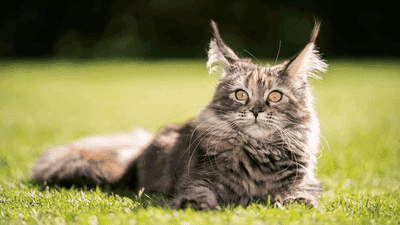
Pets, like humans, can suffer from allergies. Allergies in pets can manifest in various ways, from skin irritations and digestive issues to respiratory problems. Understanding the common triggers of pet allergies and knowing how to alleviate symptoms can help you provide the best care for your furry friend.
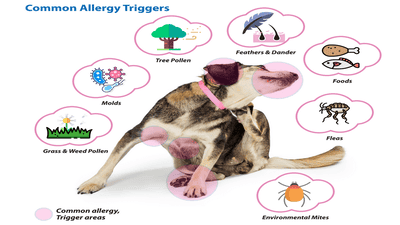
Pets, like humans, can suffer from allergies. Allergies in pets can manifest in various ways, from skin irritations and digestive issues to respiratory problems. Understanding the common triggers of pet allergies and knowing how to alleviate symptoms can help you provide the best care for your furry friend.
1. What Are Pet Allergies?
Definition
Pet allergies occur when a pet’s immune system overreacts to a foreign substance, known as an allergen. This overreaction can lead to a range of symptoms affecting the skin, digestive system, or respiratory tract.
Types of Pet Allergies
- Environmental Allergies: Caused by allergens like pollen, mold, dust mites, and grass.
- Food Allergies: Triggered by specific ingredients in your pet’s diet, such as beef, chicken, or grains.
- Flea Allergies: Resulting from an allergic reaction to flea saliva.
- Contact Allergies: Caused by direct contact with irritants like cleaning products, fabrics, or plants.
2. Common Symptoms of Pet Allergies

Skin-Related Symptoms
- Excessive itching or scratching
- Red, inflamed skin
- Hair loss or bald patches
- Hot spots (localized areas of infection)
Respiratory Symptoms
- Sneezing
- Coughing
- Wheezing or difficulty breathing
- Nasal discharge
Digestive Symptoms
- Vomiting
- Diarrhea
- Loss of appetite
- Weight loss
Other Symptoms
- Paw chewing or licking
- Ear infections
- Watery or red eyes
3. Common Triggers of Pet Allergies
Environmental Allergens
- Pollen: Trees, grasses, and weeds release pollen that can trigger allergic reactions.
- Mold: Damp environments, such as basements or bathrooms, can harbor mold spores.
- Dust Mites: Microscopic creatures that thrive in household dust.
- Grass: Outdoor allergens like grass can cause skin irritation.
Food Allergens
- Protein Sources: Beef, chicken, lamb, and fish are common triggers.
- Grains: Wheat, corn, and soy can cause allergic reactions in some pets.
- Dairy: Milk, cheese, and other dairy products may trigger allergies.
- Additives: Artificial colors, flavors, and preservatives can also be problematic.
Flea Allergens
- Flea Saliva: Even a single flea bite can cause an allergic reaction in sensitive pets.
Contact Allergens
- Cleaning Products: Harsh chemicals in household cleaners can irritate a pet’s skin.
- Fabrics: Certain materials, like wool or synthetic fibers, can cause reactions.
- Plants: Poison ivy, oak, and other plants can trigger contact dermatitis.
4. Diagnosing Pet Allergies

Veterinary Examination
Your vet will perform a physical examination and review your pet’s medical history to identify potential allergens.
Skin Tests
- Intradermal Testing: Small amounts of allergens are injected into the skin to observe reactions.
- Patch Testing: Allergen patches are applied to the skin to detect contact allergies.
Blood Tests
Blood tests can measure the levels of antibodies to specific allergens, helping to diagnose food or environmental allergies.
Elimination Diet
For suspected food allergies, your vet may recommend an elimination diet. This involves removing potential allergens from your pet’s diet and reintroducing them one at a time to identify the culprit.
5. Treating Pet Allergies
Medications
- Antihistamines: Help reduce itching and inflammation caused by allergies.
- Corticosteroids: Prescribed for severe allergic reactions to reduce swelling and discomfort.
- Immunosuppressants: Medications like cyclosporine can help manage chronic allergies by suppressing the immune response.
Topical Treatments
- Shampoos and Sprays: Medicated shampoos and sprays can soothe irritated skin and reduce itching.
- Ointments and Creams: Hydrocortisone creams can provide relief for localized skin irritation.
Immunotherapy
Allergy shots (immunotherapy) can be used to desensitize your pet’s immune system to specific allergens over time.
Natural Remedies
- Oatmeal Baths: Oatmeal can soothe itchy skin and reduce inflammation.
- Coconut Oil: Applying coconut oil to your pet’s skin can help moisturize and reduce irritation.
- Quercetin: A natural antihistamine found in fruits and vegetables.
Flea Control
Regular flea prevention is essential for pets with flea allergies. Use flea collars, topical treatments, or oral medications as recommended by your vet.
6. Preventing Pet Allergies

Environmental Management
- Clean Regularly: Vacuum and dust your home frequently to reduce allergens.
- Use Air Purifiers: Air purifiers can help remove allergens like pollen and dust from the air.
- Wash Bedding: Wash your pet’s bedding weekly to eliminate dust mites and other allergens.
- Limit Outdoor Exposure: Keep your pet indoors during peak pollen seasons.
Dietary Management
- Choose Hypoallergenic Food: Opt for hypoallergenic or limited-ingredient diets to avoid common food allergens.
- Avoid Table Scraps: Refrain from feeding your pet human food, which may contain allergens.
Regular Grooming
- Brush Your Pet: Regular brushing can remove allergens from your pet’s coat.
- Bathe Your Pet: Frequent baths can help reduce skin irritation and remove allergens.
Flea Prevention
- Use Preventatives: Apply flea preventatives monthly to protect your pet from flea bites.
- Treat Your Home: Use flea sprays or foggers to eliminate fleas from your home.
7. Special Considerations for Different Pets
Dogs
Dogs are prone to environmental and food allergies. Breeds like Bulldogs, Retrievers, and Terriers are more susceptible.
Cats
Cats can develop allergies to environmental allergens, food, and flea saliva. Common symptoms include itching, sneezing, and hair loss.
Small Animals
Rabbits, guinea pigs, and other small animals can suffer from allergies, often due to bedding materials or food.
Birds
Birds can develop allergies to dust, mold, and certain foods. Symptoms include respiratory issues and skin irritation.
8. Myths About Pet Allergies
Myth: Pets Can Outgrow Allergies
Fact: Allergies are typically a lifelong condition. While symptoms can be managed, pets do not outgrow allergies.
Myth: Hypoallergenic Breeds Don’t Cause Allergies
Fact: No breed is completely hypoallergenic, but some produce fewer allergens than others.
Myth: Food Allergies Are Rare
Fact: Food allergies are common in pets and can develop at any age, even if they’ve been eating the same diet for years.
9. Long-Term Management of Pet Allergies
Regular Vet Checkups
Schedule regular checkups with your vet to monitor your pet’s allergies and adjust treatment plans as needed.
Allergy Testing
Periodic allergy testing can help identify new allergens and refine your pet’s treatment.
Lifestyle Adjustments
Make necessary changes to your pet’s environment, diet, and grooming routine to minimize exposure to allergens.
Emotional Support
Chronic allergies can be uncomfortable for your pet. Provide comfort and reassurance to help them cope.
Conclusion
Pet allergies can be challenging to manage, but with the right knowledge and care, you can help your furry friend live a comfortable and happy life. By understanding the common triggers of pet allergies, recognizing the symptoms, and implementing effective treatment and prevention strategies, you can minimize the impact of allergies on your pet’s health. Regular veterinary care and lifestyle adjustments are key to keeping your pet allergy-free and thriving.